
Pass it on

It’s not what you expect on a mid-afternoon in Ghuznee Street, but there he is — a slim, anxious-looking man in a waistcoat and tails, walking briskly uphill from St Peter’s, his hair flopped to the side.
Is he a groom, escaping his own wedding?
More likely a funeral director who double-parked the hearse.
The traffic wardens have been raking it in, lately.
Paper poppies are still plastered to the windows of the Campbell Street Kindergarten. You take a shortcut alongside it, letting the dog nose in the grass behind the Returned Services Association. This looks plain, like a barracks, built with rumpty sheets of red corrugated iron.
This morning there are people inside, probably cleaning up after last weekend’s commemorations. The building seems jaunty, almost; even pleased with itself, and you feel warmly towards it.
Soon it will return to its usual, lifeless state — curtains pulled across the barred windows.
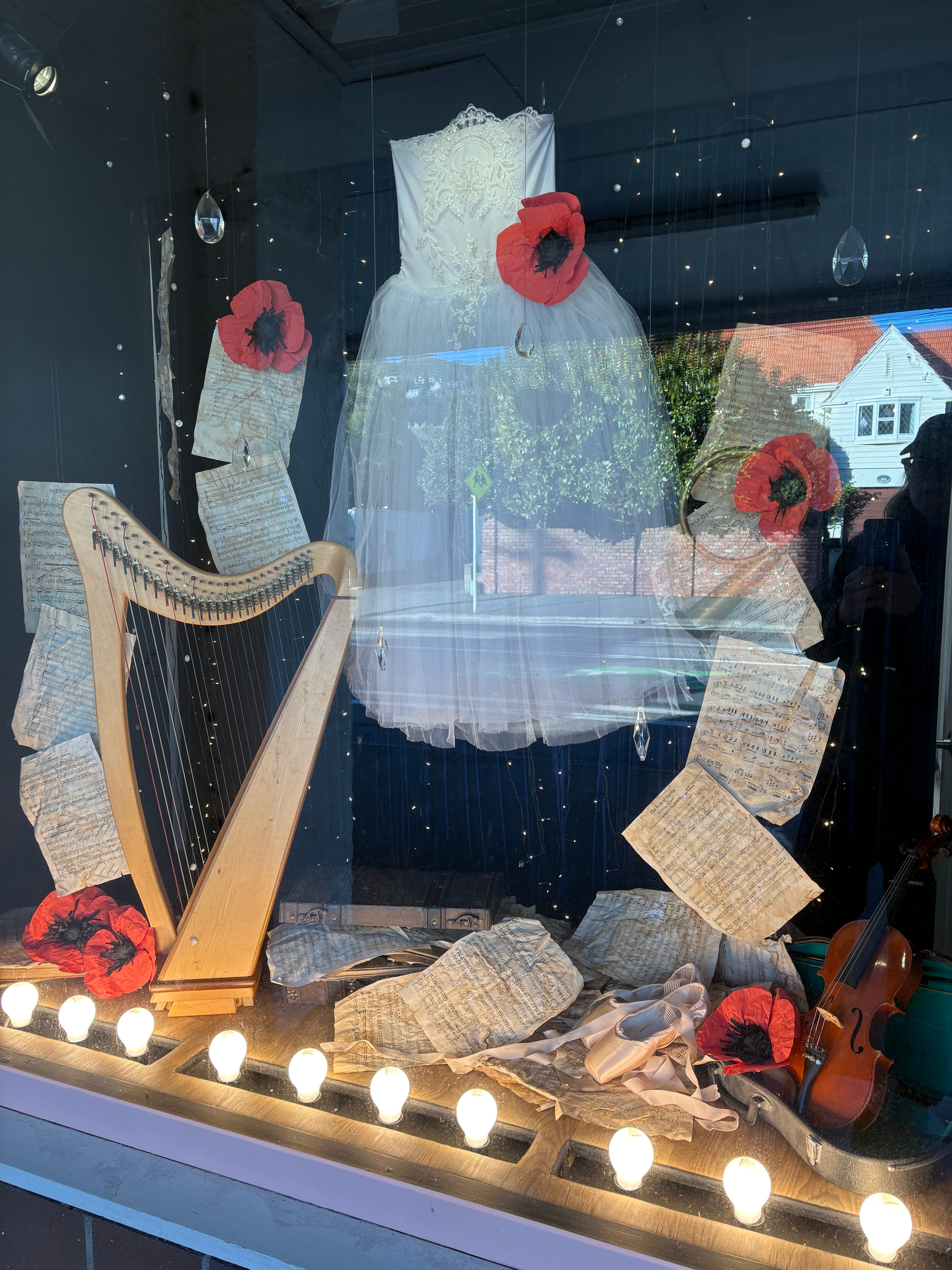
You’re waiting outside your son’s college, lolling against the car, and notice the school motto painted along the rise of each step leading up to the hall. In four languages, including Latin, it reads Receive the Light. Pass it On.
The light must mean knowledge, you think. Receive an education and spread it around, for everyone’s health and happiness.
Later, banging around in the kitchen, you imagine it must mean acts of kindness. Your family, for example, is clearing the dinner table, stacking the dishwasher and soaking the pots, which isn’t quite the same as cleaning them.
With the motto in mind, you might consider receiving these gestures in the spirit in which they’re given. You might extend this good-natured chain of events by responding in kind. Perhaps in the morning, when you’ll scrub them your own damn self.
Lying in bed that night beside your own little pool of light, you wonder if really it means having the grace, one day, to die.
A glittering patch on the opposite roof. The first frost has settled in Karori.
You don’t mind Wellington in autumn. The washed-out, yellowing elms; the flaming, dying cherries. The bush gleams as it always does, cool, dark and sinuous, with only the undersides of Rangiora leaves flashing white.
The cat settles on your lap this evening. Her fur is cold. There’s a strange, silver lick across her haunches and suddenly, something drops in your palm.
It’s a slug, as startled as you are, its tentacles swivelling one way, then another. It undulates across your hand so you get up, scattering the cat, and carry this tiny soul outside, releasing it.
This garden is a mystery to you, and its web of unseen relationships. You know there are skinks here, and cicadas below ground. Once, bees lived under the house without your knowledge. They left behind a caked, haphazard nest.
Sometimes you think you’re not up to the task, of this guardianship.
Your son has left his PE uniform on the school bus. He leaves you a voicemail and four texts explaining this.
You’re near the depot so you call in, among drivers who are clocking in and out. You approach the serving hatch and explain the situation. You tell the staffer which bus your son was on, and when.
“It hasn’t come in yet,” you’re told. This bus remains in circulation, moving across the city in real time, traceable as blinking dots on your phone. Eventually it’ll swing into the giant rusting hanger between Ross Street and Onepu Road, bringing to a stop your son’s well-travelled duffel-bag enclosing a top, drawstring shorts and banded socks with ironed-on name labels, of little use to anyone but him.
The city’s lost things will pile up in the back of this depot; you’ve seen glimpses of these in the past, when a door swung open to reveal a mound of bags, drink bottles and for all you know, sensitive government documents, all swept off and out from moulded seats by drivers at the end of a shift.
It’ll take a miracle to recover this boring, unremarkable PE kit (even though you ironed on name labels). It has become flotsam, jetsam, proof of a life lived distantly from where it is now; and what is life, really, but a years-long lesson in letting go?

Your dog is unusually well-mannered, sitting beside his orange cone in the canine obedience lesson. It’s late afternoon, and you’re standing in a stripe of warm sunshine. But somewhere between Sit, Find It and Touch My Hand, the sun will drop behind the range and the class will swim in gloom.
The instructor asks everyone to introduce their dog and reveal what their pet needs to work on. They must also say what they love about their dog.
You look at him and think about the gifts he’s been leaving you in his crate lately. How you had to snip the clinkers off his backside only this morning. How his breath smells of fish, his ritual harassment of the cat, and the unspeakable things he does to the blanket he arrived sitting on, as a puppy.
You’ll offer something bland when it’s eventually your turn, but what you want to say is, “He thinks today will be better than yesterday.”
Read these, pass it on
New Zealanders will know these writers, but for the sake of readers elsewhere, may I introduce David Slack and Ashleigh Young?
David is fiercely critical of New Zealand’s rich and powerful; he writes firmly from the progressive left. His facility with language and clever satire are certainly reasons for subscribing to More Than a Feilding, but every so often he writes with undisguised love for his family and country — as he did this week, paying tribute to his father, who has died aged 100.

“Ashleigh,” as a friend with a doctorate in literature once told me, “is the real deal.” An acclaimed poet and essayist with a day job in publishing, Ashleigh’s pieces always go deep, excavating whatever subject is lucky to win her attention, and holding her findings up to the light.
She’s begun an exquisite new diary about procrastination — the tension between wanting and needing to write and yet not writing; or at least, not living up to her writerly expectations. She’s published one piece and has promised more, but let’s not ask her when.

In other news
This weekend a new monthly community paper, The Local, is delivered to Karori mailboxes. Its owner-editor happens to be one of my oldest chums, Jane O’Loughlin. If you went to Otago University in the early nineties, chances are you tuned in with devotion to her Radio One breakfast show, where she went by the moniker Jane Insane.
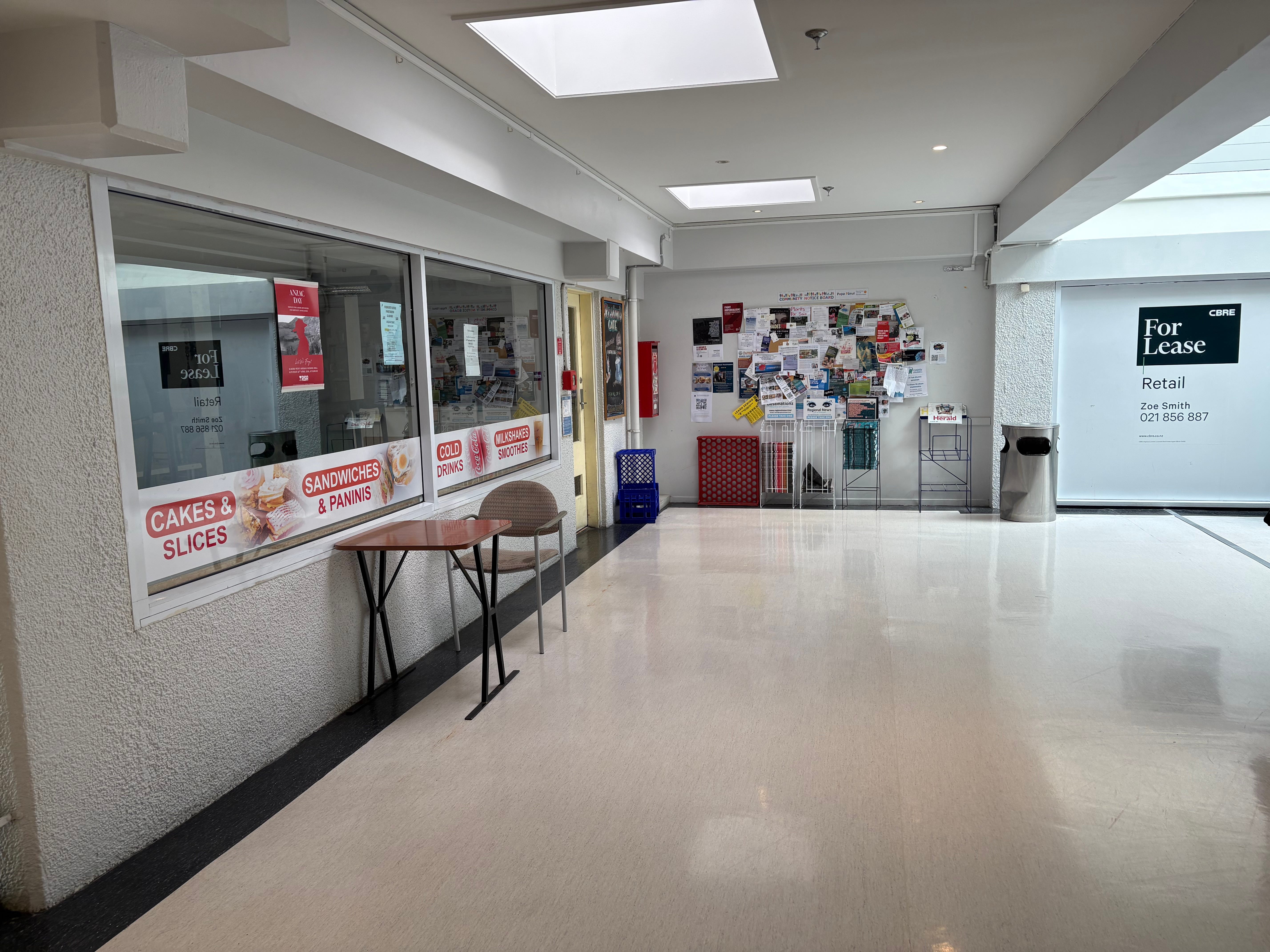
The paper focuses on extremely niche goings-on at the suburban scale, as does its sister editions in Aro and Mt Victoria. I’m tickled Jane is taking the plunge and rolling it out to Karori, a suburb of six thousand households and many more souls. The Karori Residents Association has swung in behind her, and I hope local advertisers will too. You can pick up a copy in the mall, or at stands in Marsden and Karori villages.
Jane’s kindly giving me a regular page to express my prejudices. My first piece is about the mighty colossus, Karori Mall.
My long-promised Listener piece appeared at last. Thank goodness, because it was beginning to look like I’d fantasised the whole thing.
Even better, I’ll be alternating fortnightly with the acclaimed international affairs journalist, Anna Fifield!
In my twenties and thirties, I swooned over the magazine’s essays and criticism. It loomed large in the culture as a prestige national weekly — a TV and listings magazine which itself watched and listened, reflecting us back to ourselves.
If you’d told me back then that one day I’d have a Listener column but first would need to wait more than 20 years, I’d have punched you in the face.
I swoon over every domestic detail Leah
Leah yours will be a v classy piece in a local Karori rag. You should be syndicated to Mt Vic and Aro Valley! I get the Mt Vic one and would heartily approve.